
We work for transgender rights through everyday care, constitutional values and collective advocacy.
At TAPISH, every program — whether shelter, health, livelihoods or documentation
— is rooted in constitutional rights, social justice and the lived realities of
transgender people, especially those facing multiple forms of marginalisation.
Our work is rights-based and intersectional
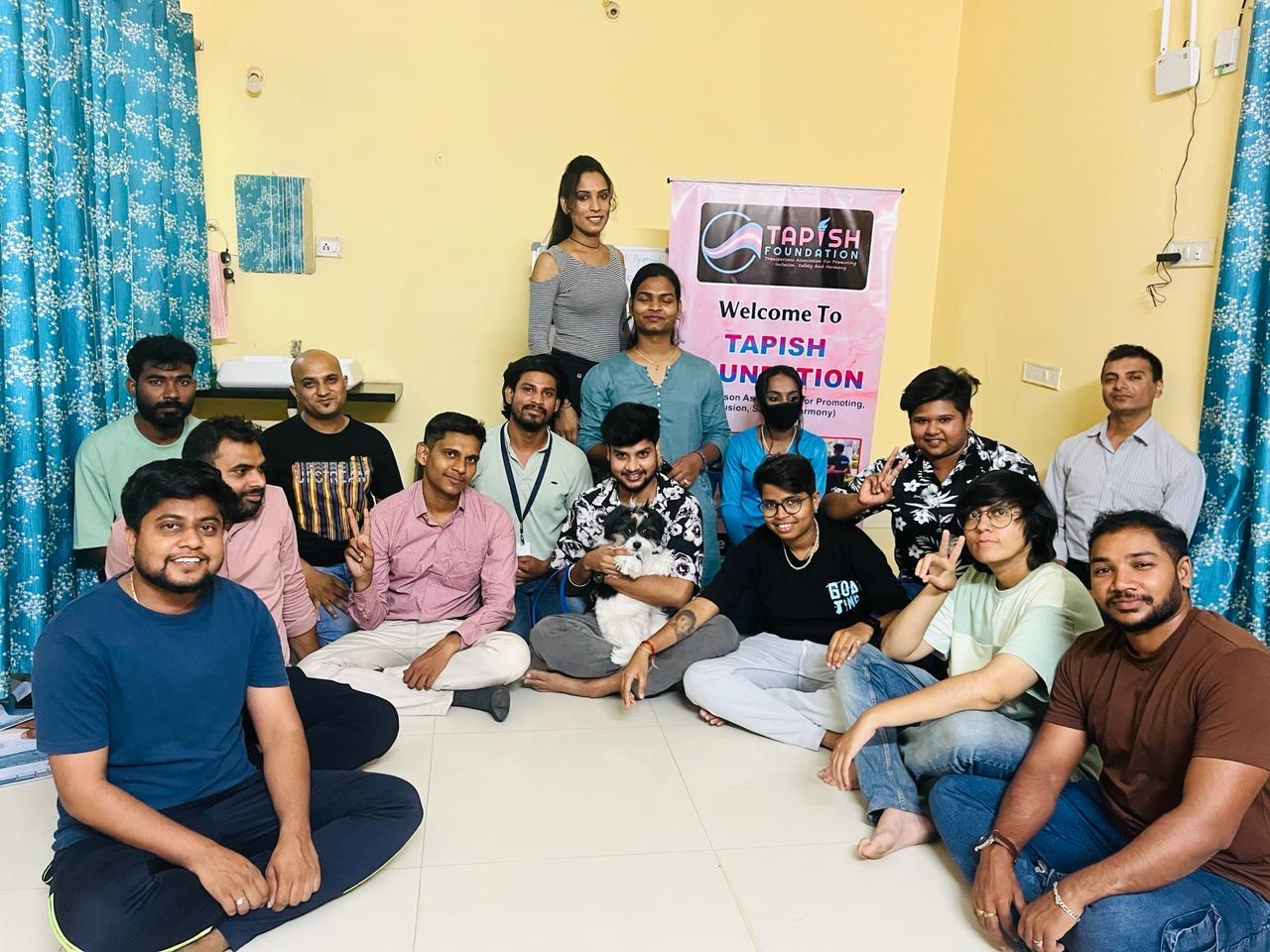
Transgender people do not experience exclusion in a single way. Caste, class, religion, disability, HIV status, migration, sex work, lack of family support and access to education all shape how oppression is experienced. TAPISH works with an explicit focus on Dalit, Bahujan, Adivasi and other marginalized identities within the trans community, ensuring that support, advocacy and leadership are not limited to the most visible or privileged voices.
Advocacy is not a standalone program
We do not treat advocacy as something separate from service delivery.
Our everyday work informs our advocacy — and our advocacy strengthens our everyday work.
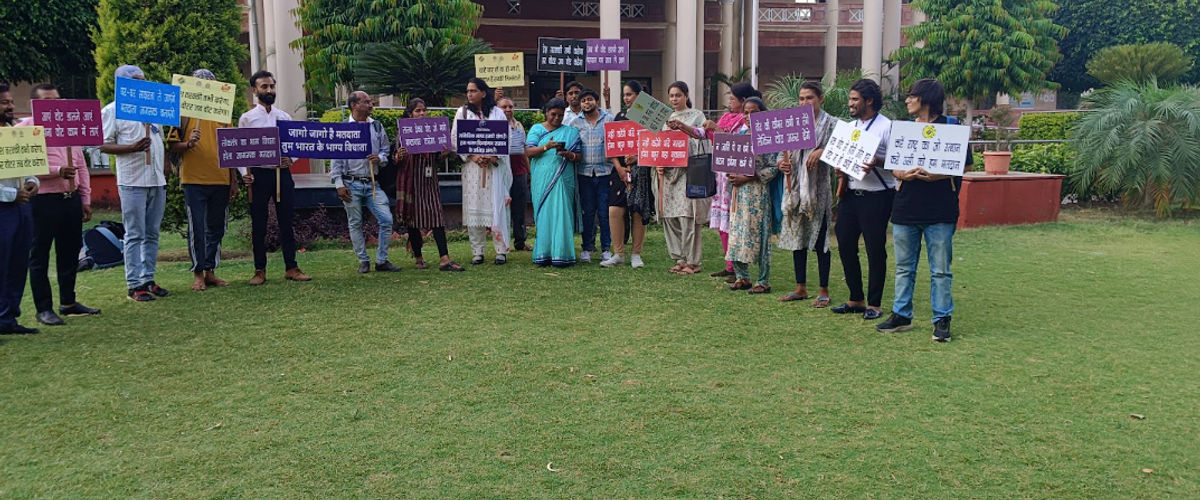
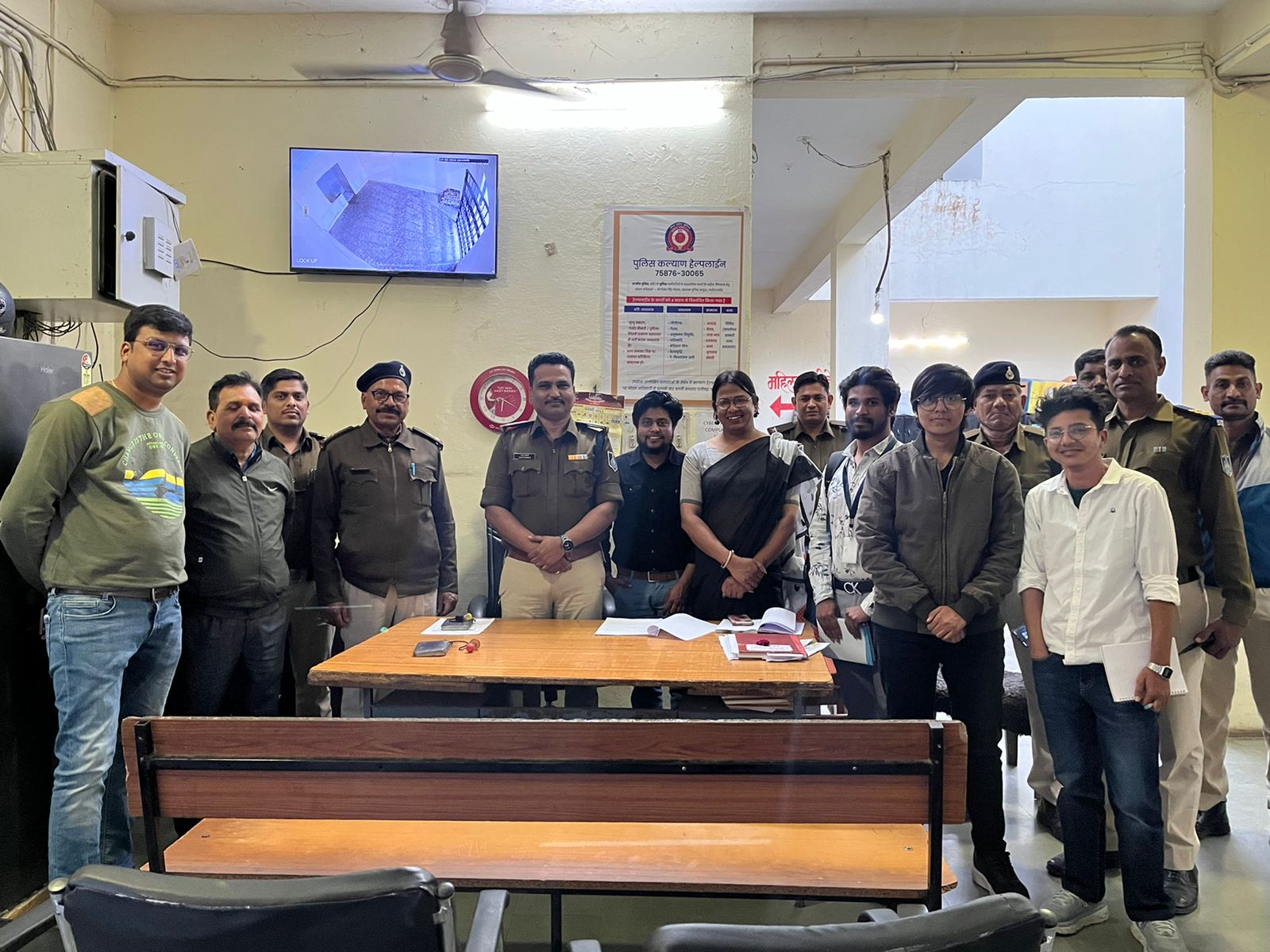
This includes engaging police, healthcare providers, media, educational institutions and government bodies to improve understanding, accountability and implementation of transgender rights.
Our work is guided by constitutional values
Equality and non-discrimination
Dignity of the individual
Freedom of expression and identity
Right to life, shelter and healthcare
Social justice and inclusion
Rooted in Madhya Pradesh, accountable to the community
TAPISH works primarily in Madhya Pradesh, with a strong focus on reaching
transgender people who are most marginalized including those from Dalit, Bahujan,
Adivasi backgrounds, small towns and rural areas.
Our accountability remains first with the community members who access
our spaces and services.