

How Documentation Delays Impact Trans Lives
Posted By: Admin Published: 23, Dec 2025
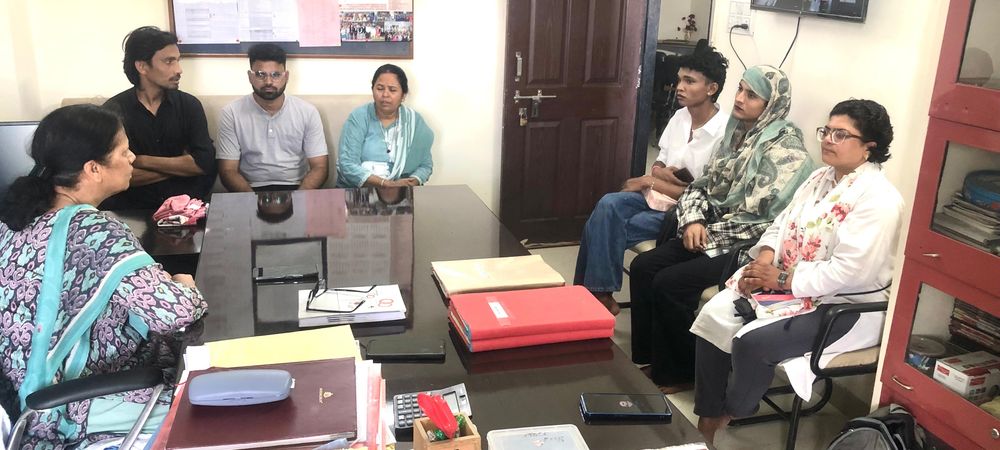
For many transgender people, paperwork decides whether life moves forward or stays stuck.
Delays in getting identity documents — such as transgender identity cards, Aadhaar updates or bank accounts — have consequences far beyond inconvenience. Without documents, people are denied healthcare, welfare schemes, housing, education and employment. Everyday survival becomes harder.
Documentation processes are often confusing, slow and inaccessible. Online systems assume digital literacy, stable internet access and supportive families — realities many trans people do not have. For those from marginalised caste and economic backgrounds, repeated visits to offices can mean lost wages, harassment or humiliation.
These delays also impact mental health. Being forced to repeatedly explain one’s identity, face rejection or wait indefinitely reinforces feelings of invisibility and exclusion. Documentation becomes a reminder of how systems fail to recognise trans lives as legitimate.
Legal identity is meant to enable access to rights, not become another barrier. While laws and policies exist, implementation gaps remain wide. This is why documentation support must go hand in hand with advocacy — pushing systems to work as intended.
At TAPISH, documentation is treated as a rights issue, not a favour. Supporting individuals also means documenting patterns of delay and discrimination, and raising these issues collectively.
When identity documents are delayed, dignity is delayed. Access is delayed. Futures are delayed. Addressing this is essential for real inclusion.